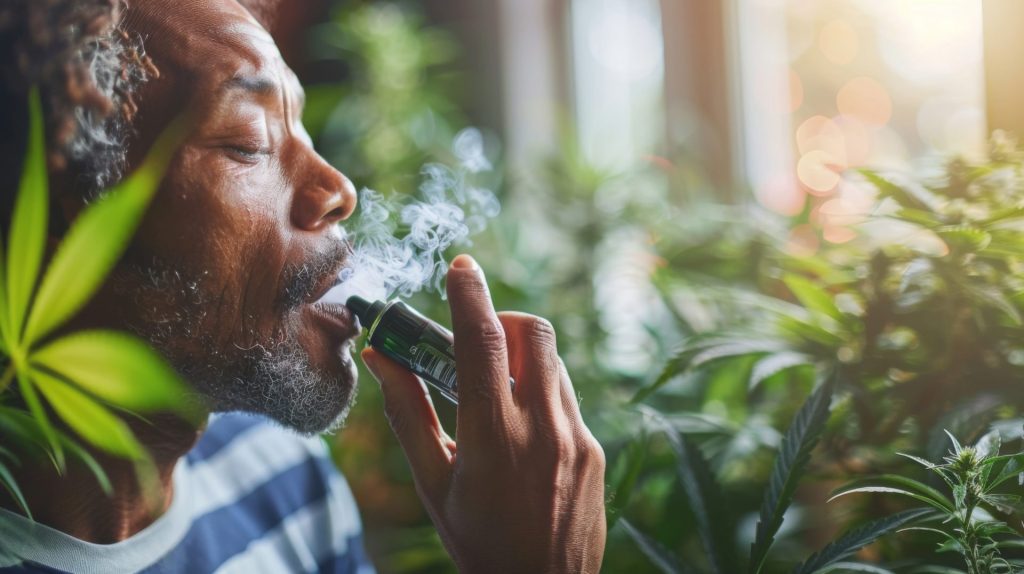
Vaporization is a technique for avoiding irritating respiratory toxins in marijuana smoke by heating cannabis to a temperature where the psychoactive ingredients evaporate without causing combustion. The respiratory hazards of marijuana and tobacco smoke are due to toxic byproducts of combustion, not the active ingredients in the plant, known as cannabinoids.
Like tobacco, marijuana smoke contains toxins that are known to be hazardous to the respiratory system. Among them are the highly carcinogenic polynuclear aromatic hydrocarbons, a prime suspect in cigarette-related cancers. These toxins are essentially a byproduct of combustion, separate from the pharmaceutically active components of marijuana, known as cannabinoids, which include THC. Although there is no proof that marijuana smoking causes cancer, chronic pot smokers have been shown to suffer an elevated risk of bronchitis and respiratory infections. Respiratory disease due to smoking may therefore rightly be regarded as the primary physiological hazard of marijuana.
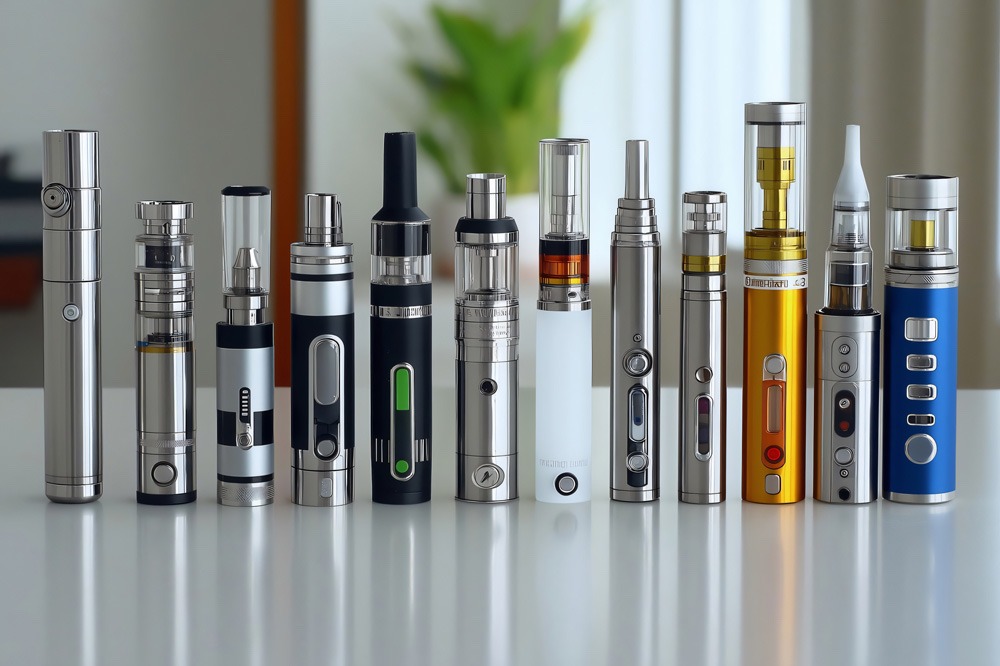
Cannabis vaporizers are designed to let users inhale active cannabinoids while avoiding harmful smoke toxins. They do so by heating cannabis to a temperature of 180 – 200° C (356° – 392° F), just below the point of combustion where smoke is produced. At this point, THC and other medically active cannabinoids are emitted with little or none of the carcinogenic tars and noxious gases found in smoke. Many medical marijuana patients who find smoked marijuana highly irritating report effective relief inhaling through vaporizers. Users who are concerned about the respiratory hazards of smoking are strongly advised to use vaporizers. Alternative devices, such as waterpipes, have been shown to be ineffective at reducing the tars in marijuana smoke.
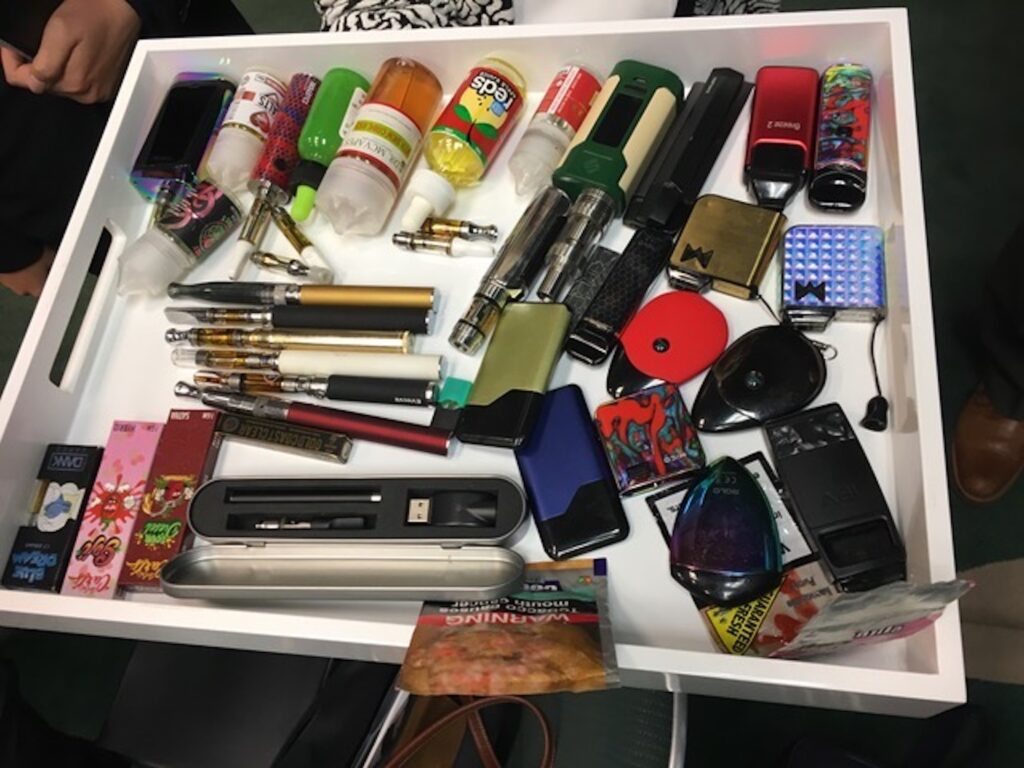
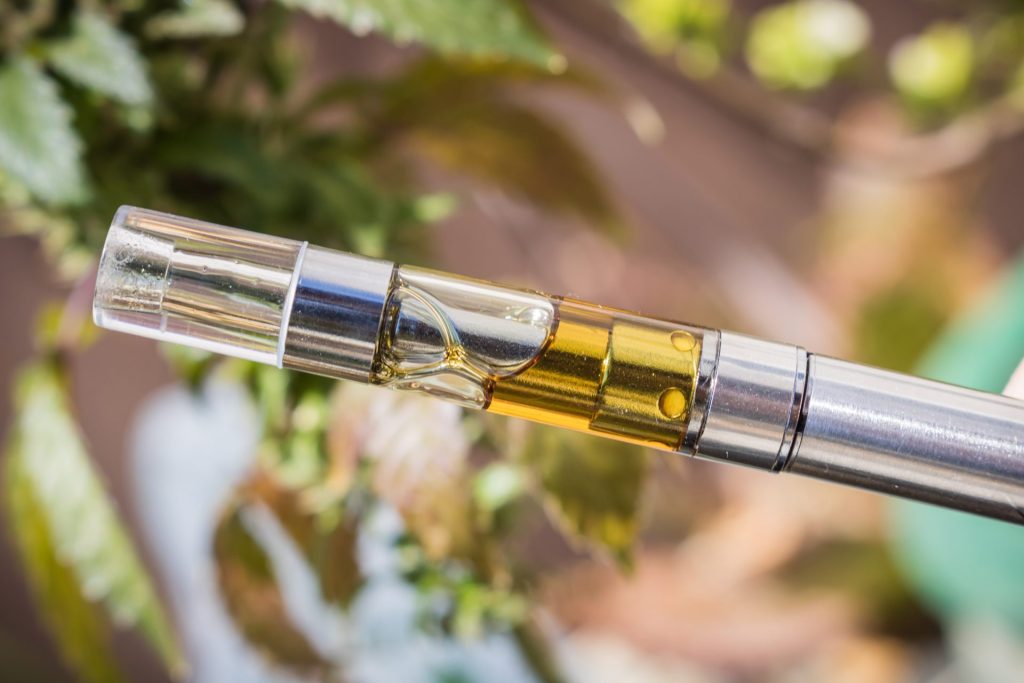
Cannabis vape pens expose users to significantly less harmful toxins than smoked joints, according to a new lab study sponsored by California NORML. The study compared the emissions of two different vape pens – a disposable and a reusable cartridge model – with pre-roll joints purchased from a San Diego dispensary. The vape pens emitted
What is cannabis vaporization and why is it healthier than smoking?
Vaporization is a technique for avoiding irritating respiratory toxins in marijuana smoke by heating cannabis to a temperature where the psychoactive ingredients evaporate without causing combustion. They do so by heating cannabis to a temperature of 180 – 200° C (356° – 392° F), just below the point of combustion where smoke is produced. At this point, THC and other medically active cannabinoids are emitted with little or none of the carcinogenic tars and noxious gases found in smoke.
Are there different types of vaporizers?
Yes, there are vaporizers like the Volcano or PAX products that use dry herb, and others like vape pens that use cannabis oils.
Are there scientific studies on vaporization?
Yes, Cal NORML pioneered cannabis vaporizer research starting in 2001, publishing studies finding that dry herb vaporizers eliminate many of the toxins in marijuana smoke. In 2026, we published a preliminary study comparing emissions from joints and vape pens, finding that that vape pens emitted significantly cleaner emissions than the joint for almost all toxins tested, and, unlike the joint, were within EPA safe daily exposure limits for regular users. We have called on the industry and public health agencies to support further research on cannabis vape pens. Vape products are now outselling flower in California, yet virtually all published research on inhaled cannabis has focused on smoking, not vaping.
What are other benefits of vaporization?
Vaporizing also eliminates harmful second-hand smoke, making it a good option in environments where others could be bothered by the smell of smoke.
How is Cal NORML advocating for vaporizing rights?
We have been active on the local level in fighting against the inclusion of cannabis in smoking/vaping bans affecting multiple housing units in Oakland, San Jose, San Francisco, and West Hollywood. Many other jurisdictions have passed these bans, however, without grass-roots activists working for their rights. Second-hand smoke has also been made an issue in cities as they decide about approving cannabis lounges. The battle continues!
Vaporization is a technique for avoiding irritating respiratory toxins in marijuana smoke by heating cannabis to a temperature where the psychoactive ingredients evaporate without causing combustion. The respiratory hazards of marijuana and tobacco smoke are due to toxic byproducts of combustion, not the active ingredients in the plant, known as cannabinoids.
Like tobacco, marijuana smoke contains toxins that are known to be hazardous to the respiratory system. Among them are the highly carcinogenic polynuclear aromatic hydrocarbons, a prime suspect in cigarette-related cancers. These toxins are essentially a byproduct of combustion, separate from the pharmaceutically active components of marijuana, known as cannabinoids, which include THC. Although there is no proof that marijuana smoking causes cancer, chronic pot smokers have been shown to suffer an elevated risk of bronchitis and respiratory infections. Respiratory disease due to smoking may therefore rightly be regarded as the primary physiological hazard of marijuana.
Cannabis vaporizers are designed to let users inhale active cannabinoids while avoiding harmful smoke toxins. They do so by heating cannabis to a temperature of 180 – 200° C (356° – 392° F), just below the point of combustion where smoke is produced. At this point, THC and other medically active cannabinoids are emitted with little or none of the carcinogenic tars and noxious gases found in smoke. Many medical marijuana patients who find smoked marijuana highly irritating report effective relief inhaling through vaporizers. Users who are concerned about the respiratory hazards of smoking are strongly advised to use vaporizers. Alternative devices, such as waterpipes, have been shown to be ineffective at reducing the tars in marijuana smoke.
Cal NORML’s Vaporizer Studies
As advocates for the health of California’s cannabis consumers, Cal NORML pioneered studies into cannabis vaporization, starting with dry herb vaporizers on the market in the early 2000s.
A 2001 NORML/MAPS study found that a vaporizer known as the M-1 Volatizer® completely eliminated three specific toxins (naphthalene, benzene and toluene) in the solid phase of the vapor (D. Gieringer, Cannabis Vaporization: A Promising Strategy for Smoke Harm Reduction, Journal of Cannabis Therapeutics Vol. 1#3-4: 153-70 (2001)).
A second NORML/MAPS study conducted in 2004 tested vapors from cannabis heated in an herbal vaporizer known as the Volcano® (manufactured by Storz & Bickel GmbH&Co. KG, Tuttlingen, Germany) and compared them to smoke produced by combusted marijuana. The vapors from the Volcano® were found to consist overwhelmingly of THC, the major active component in marijuana, whereas the combusted smoke contained over 100 other chemicals, including several polynuclear aromatic hydrocarbons (PAHs), carcinogenic toxins that are common in tobacco smoke. The study suggested that medical marijuana patients can avoid the respiratory hazards of smoking by using a vaporizer. (Click here for full report published in the Journal of Cannabis Therapeutics 4(1), 2004).
Results were corroborated by a team of Swiss researchers in 2016 (see: Study: Vaporizers Deliver Safe, Reliable Doses Of Cannabinoids), and by a 2026 study from the dry-herb vaporizer manufacturer PAX.
Cal NORML’s Current Vaporizer Study
In 2025/26, Cal NORML sponsored a study that measured and compared toxic emissions such as benzene, formaldehyde, and heavy metals in vapor from cannabis vape pens and pre-rolled joints purchased from a dispensary in California. The study found that vape pens dramatically reduced toxic emissions, while delivering around the same amount of THC as the joints.
Cal NORML Fights For Vaping Rights
In 2013 Cal NORML rallied cannabis consumers to fight against cannabis e-cig and vaporizer bans in Alameda County, and in Beverly Hills and San Diego. In 2014 we fought to stop e-cig bans in San Francisco and Los Angeles, and at the state level, beating back a bill to automatically ban the use of e-cigarettes and vaporizers in areas where tobacco smoking is banned. In these battles we are up against powerful and well-funded anti-tobacco forces that like to equate cannabis smoke with cigarette smoke, and not make allowances for vaporizing.
We have been active on the local level in fighting against the inclusion of cannabis in smoking/vaping bans affecting multiple housing units in Oakland, San Jose, San Francisco, and West Hollywood. Many other jurisdictions have passed these bans, however, without grass-roots activists working for their rights. Second-hand smoke has also been made an issue in cities as they decide about approving cannabis lounges. The battle continues!