
UPDATE 5/19/26 : The DCC has issued a Notice of Rulemaking to allow for existing licensees who hold a license with both a medicinal and Adult-Use designation to be issued separate Medicinal and Adult-Use licenses.
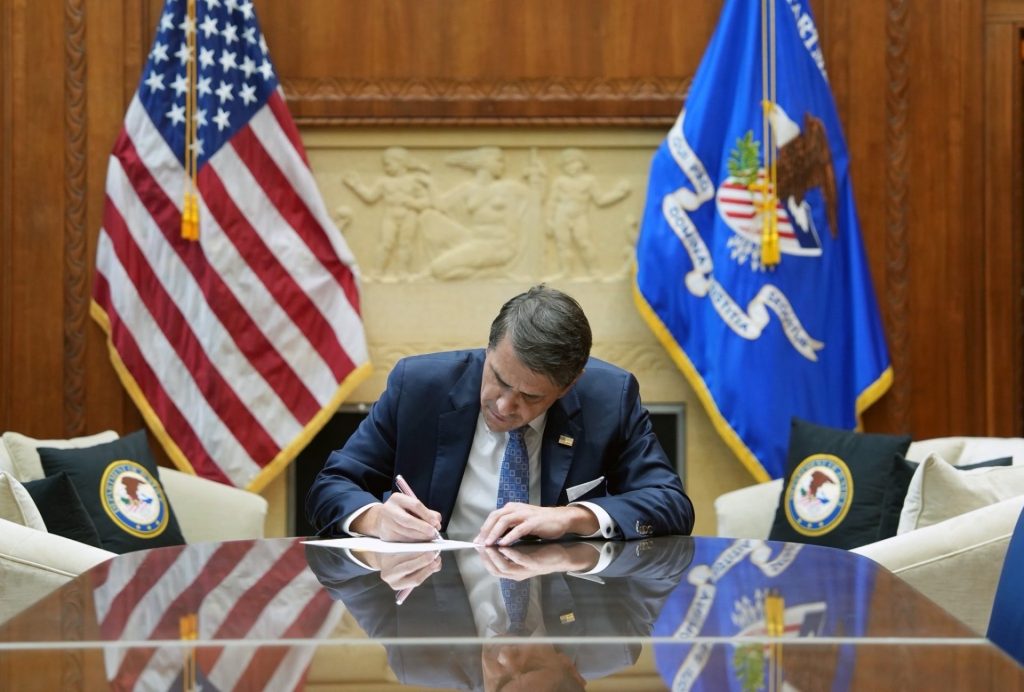
Acting Attorney General Todd Blanche has signed an order immediately placing both “FDA-approved drug products containing marijuana, and medicinal marijuana products subject to a qualifying state-issued license” in Schedule III. The action is taken “under his authority to reschedule drugs to carry out the United States’ obligations under the Single Convention on Narcotic Drugs,” according to a press release from DOJ. “This action recognizes the longstanding regulation of medical marijuana by state governments and the need for a common-sense approach to this reality,” the release states.
The order states:
“State medical marijuana regulatory systems have matured significantly since California first authorized medical use in 1996, and today the vast majority of States maintain comprehensive licensing frameworks governing cultivation, processing, distribution, and dispensing of marijuana for medical purposes. These state regimes have developed robust infrastructure for preventing diversion, ensuring product safety, maintaining records, and conducting facility inspections—functions that fulfill the objectives of federal registration and recordkeeping requirements. The Attorney General has reviewed the operation of these state systems and finds that, taken as a whole, they demonstrate a sustained capacity to achieve the public-interest objectives that underlie the CSA’s registration framework, including protecting public health and safety and preventing the diversion of controlled substances into illicit channels.”
“The Acting Attorney General further notes that, as a consequence of this rule, state licensees will no longer be subject to the deduction disallowance imposed by Section 280E of the Internal Revenue Code, which applies only to businesses engaged in trafficking in controlled substances… in a schedule I or II…qualifying state licensees should consult with tax counsel regarding the applicability of Section 280E to their specific circumstances.”
Hearings Set for Broader Rescheduling
In addition, DOJ announced “procedural updates to expedite the ongoing rulemaking process required to fully remove marijuana from Schedule I and place it into Schedule III under the Controlled Substances Act.”
According to Marijuana Moment, DOJ is moving to end a prior administrative hearing process on the rescheduling proposal that stalled near the end of the Biden administration amid litigation from pro-reform parties that alleged improper agency communications and witness selection decisions. The DOJ release states that DEA is “terminating those proceedings in order to move more efficiently toward the completion of marijuana’s complete redesignation.”
Beginning on June 29, there will be a new expedited administrative hearing process to consider the broader rescheduling of marijuana from Schedule I to Schedule III. Terry Cole, administrator of the Drug Enforcement Administration (DEA), said that the agency is “expeditiously moving forward with the administrative hearing process—bringing consistency and oversight to an area that has lacked both.” The hearing process will conclude no later than July 15, 2026, according to the notice that Blanche signed. It would then have to be published in the Federal Register for 30-90 days before it could take effect.
DEA Involvement to Satisfy Treaty Obligations?
The proposed amendments establish “a new registration pathway for state-licensed medical marijuana entities seeking federal DEA registration as manufacturers, distributors, and/or dispensers.” The regulation creates an expedited review process under which the Administrator must take action in 60 days.
The order states, “Pursuant to a 2018 OLC opinion, DEA must buy marijuana crops from registered manufacturers, be the seller of that marijuana to any eligible registered purchaser, and establish prices for such purchase and sale. Marijuana growers must pay DEA an administrative fee for such transactions. These actions are necessary for the United States to meet its obligations under articles 23 and 28 of the Single Convention.”
Looking Forward
Rescheduling from Schedule I (“no accepted medical use”) to Schedule III won’t federally legalize cannabis, but it could remove barriers to research as well as offer tax benefits to cannabis businesses. And it could have other benefits for patients in the areas housing, employment, and medical care, where discrimination against medical cannabis users continues.
Cal NORML will be closely monitoring the effect of this announcement and subsequent actions on state laws and regulations, and exploring possible future legislation and regulation to advance cannabis consumers’ rights. Join us at the Cannabis Unity Coalition Lobby Week May 12 – 14 in DC to meet with Congressmembers and their staffs on reforms at the national level, including pending bills to allow VA doctors to recommend cannabis, and more.
NORML first sued the DEA to reschedule marijuana in 1972. Read National NORML’s release: Justice Department Moves to Federally Reschedule State-Approved Medical Cannabis Products.
This is a developing story. Check back for updates.
Also see:
VIDEO: Cannabis Rescheduling Update 2026: Schedule III Medical Marijuana, June 29 Hearing & Litigation
With NORML, MPP, and attorneys from Vicente LLP
California M-License Operators in a Bifurcated Federal World: A Legal Deep Dive on DOJ’s April 2026 Rescheduling Order
From Cal NORML board member and attorney Shay Gilmore
DEA Medical Marijuana Dispensary Portal Opening April 29, Annual Application Fee Set at $794
The DEA registration created by the order covers M-license activity only. Nothing in the order requires exclusive M-only operations, and nothing in it prohibits the same entity from simultaneously holding an A-license for adult-use activity at the same premises.
DEA Schedule III Registration Asks Cannabis Businesses to Admit to Drug Trafficking
Attorneys on Cal NORML Legal Committee will be weighing in on this
California Cannabis Regulators Streamline Medical License Designation Process Following Federal Rescheduling
The DCC said it has requested a meeting with the DEA team handling the federal implementation plan. However, according to the department, the DEA has indicated that it will release information publicly and all at once, rather than through state-specific briefings.
CANNRA Issues Overview of DOJ Order on Marijuana Rescheduling
CANNRA’s analysis states explicitly that the 280E tax burden is removed for state medical marijuana licensed businesses regardless of whether they pursue a DEA license. Also, that state authorized medical marijuana certifications or similar documents will be sufficient to permit dispensing of medical marijuana to users, provided they have the user’s name and address, are dated and signed, and include the name of the issuing practitioner and their address and state license number.
Treasury Department Says Tax Guidance Is Forthcoming for State-Licensed Medical Cannabis Businesses
BTA Cannabis CPA Tax – Position Statement on Cannabis Rescheduling and 280E Tax Relief
Join Cal NORML through 4/30 with a discounted $42 Gold Membership and get a free thank-you gift: Our popular gold lapel pin in the shape of a pot leaf. It’s a great way to represent your support for Cal NORML and cannabis!
As another special offer, Cal NORML Business or Legal Committee Memberships, usually $500/year, are discounted to $420 through the end of the month. Get your discounted membership today!